Collectors and conservators want the same thing: an object that survives and stays understandable. Where they sometimes differ is in appetite for change. A restorer may aim to make an object look as it once did. A conservator aims first to stabilise it and to keep evidence intact. For most private collections, a conservative approach protects both history and future options.
Three working principles
Minimal intervention. Do only what is needed to stabilise the object or allow its intended use. A camera that needs new light seals to work does not need a new covering as well.
Reversibility. Prefer treatments that a later specialist can undo. Professional bodies including the American Institute for Conservation (AIC) and the UK's Institute of Conservation (Icon) emphasise reversibility or, where full reversal is impossible, "retreatability", meaning that future treatment remains possible.
Documentation. Record the condition before, the materials used, and the result after. A treatment without a record turns verified history into an open question.
Patina is evidence
Patina is the accumulated surface change from age and handling: darkened wood around handles, toned silver, softened edges on a brass camera body. It records use. Once stripped or polished away, it cannot be restored. Many specialists regard heavy refinishing as a loss of evidence even when the result looks attractive.
Cleaning: start small
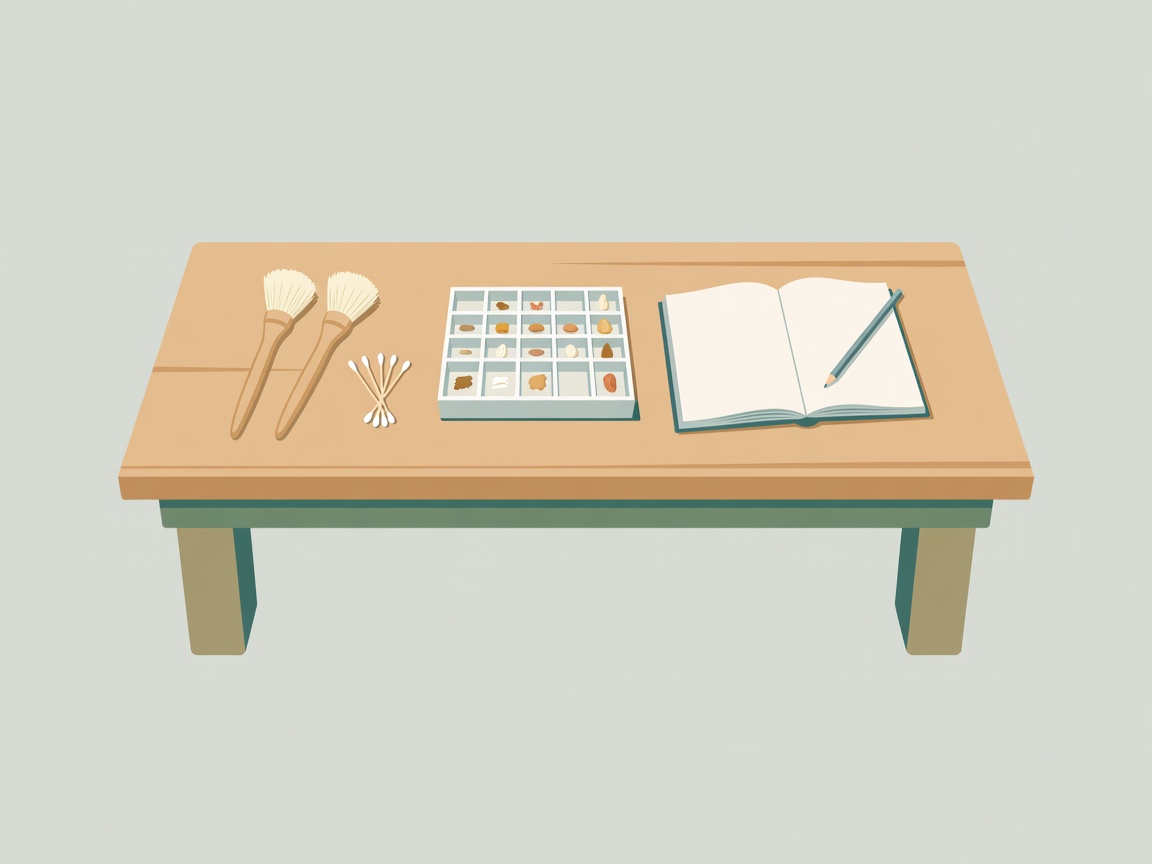
Begin with the gentlest method: dry dusting with a soft brush, then, if needed, a lightly dampened swab tested in an inconspicuous area. Stop if colour lifts onto the swab. Avoid household products containing silicone, ammonia or abrasives. Metal polishes in particular remove metal every time they are used, gradually softening hallmarks and engraving.
Adhesives and fills
Adhesive choice decides how reversible a repair is. Animal (hide) glue, long used in furniture, can be released with heat and moisture. Many modern epoxies and cyanoacrylates bond permanently and can damage surrounding material if later removed. If in doubt, ask a conservator which adhesive suits the material.
Mechanisms: service, not surgery
Watches and cameras contain lubricants that dry over decades. Running a dry mechanism causes wear. A service by a qualified watchmaker or camera repairer, with removed parts returned and listed, is usually the conservative choice. Ask before work begins whether any dials, hands, coverings or glass will be replaced.
When to call a professional
Call a specialist for flaking paint, active corrosion, insect damage, broken ceramics, textile or paper fragility, radium-painted dials, and anything you are uncertain about. In the UK, Icon's Conservation Register lists accredited conservators. In the US, the AIC offers a "Find a Conservator" directory. Museums such as the Victoria and Albert Museum and organisations such as the Getty Conservation Institute publish public guidance on caring for collections.
Treatment notes
Wood surface: clean, revive or refinish
Silver and brass: toning or polishing
Leather camera covering: condition or replace
Paper labels and tickets
Good practice
- Before and after photographs
- Materials and methods named
- Removed parts kept and labelled
Questions to ask first
- Is this treatment reversible?
- What evidence will it remove?
- Who will document it?